Reclaim Your Strength — Functional Training for Men 50+
Discover practical, science-backed functional exercises designed specifically for men over 50. Build real-world strength, improve mobility, and enhance your quality of life through intelligent movement patterns that work with your body, not against it.
Why Functional Movement Matters at 50
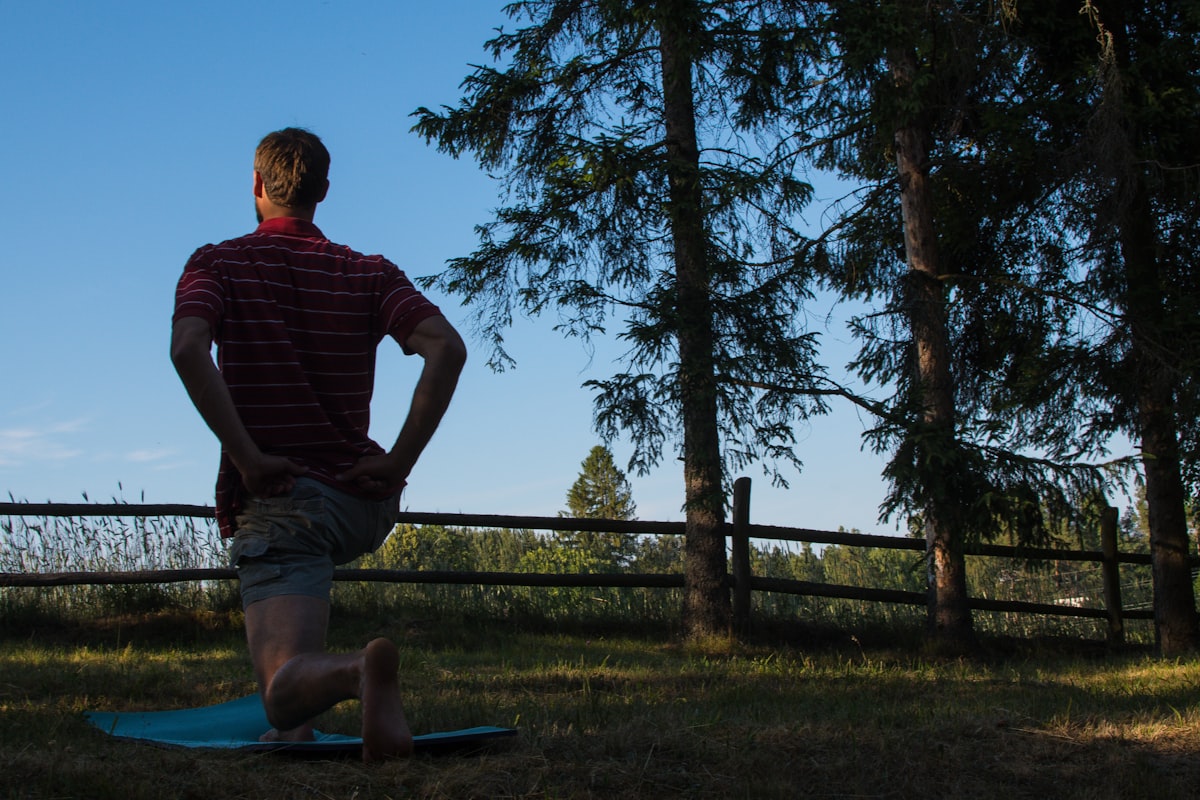
After 50, the way we move changes. Traditional gym routines often ignore the specific needs of mature men — joint health, balance, real-world applications, and injury prevention. Functional exercises train your body the way it was designed to move: bending, lifting, reaching, and rotating in patterns that directly improve everyday activities.
- ✓ Preserve Independence: Maintain the ability to carry groceries, play with grandchildren, and move freely without limitation.
- ✓ Reduce Injury Risk: Strengthen stabiliser muscles and improve movement patterns to protect your joints and prevent falls.
- ✓ Boost Energy and Mood: Functional training enhances blood flow, improves bone density, and releases endorphins naturally.
- ✓ Improve Everyday Performance: Get stronger at the activities that matter — climbing stairs, gardening, and staying active.
Top Functional Exercises for Men 50+
These foundational movements build real strength and mobility. Explore detailed guides, modifications, and progressions on our dedicated exercise library.
Goblet Squats
A kettlebell or dumbbell held at chest height transforms the squat into a knee-friendly, spine-safe exercise. Perfect for building lower-body strength and improving hip mobility without heavy barbell loading.
Read Full GuidePush-Up Variations
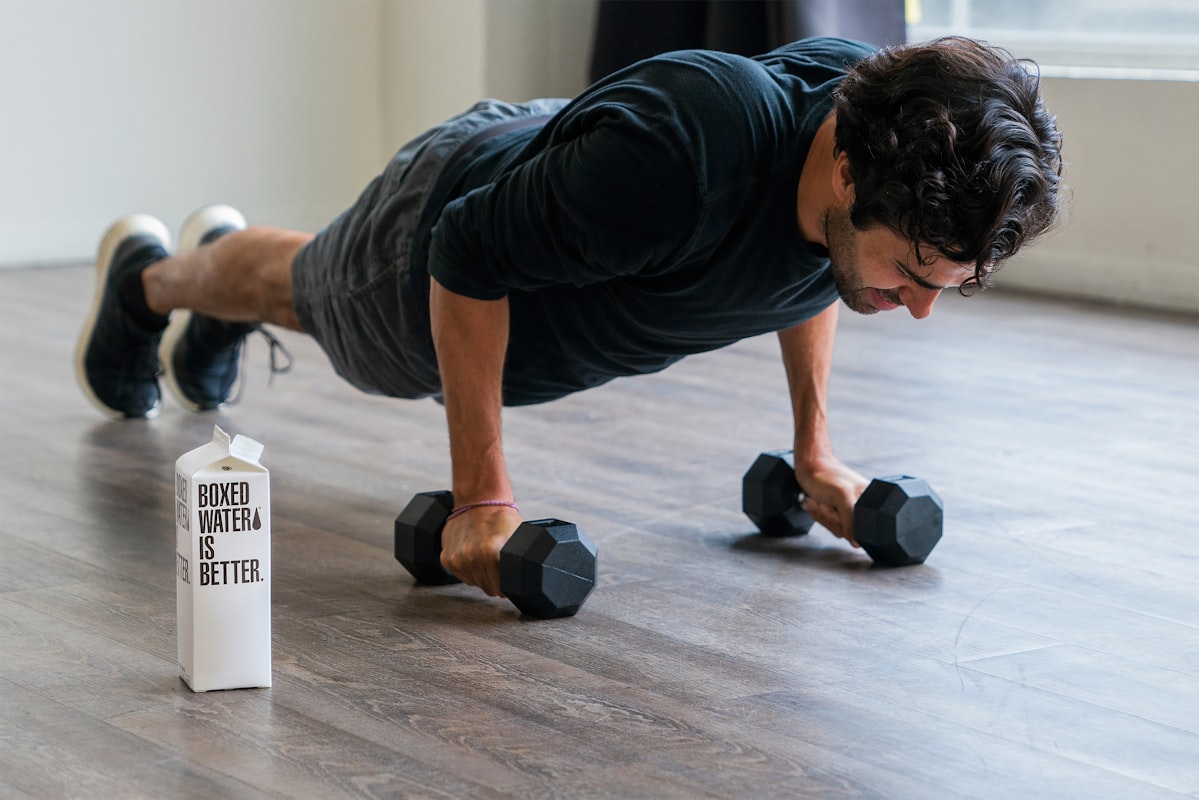
From wall and incline variations to full ground push-ups, this classic movement builds chest, shoulder, and core strength. Learn scaling progressions suited to your current fitness level.
Read Full GuideDeadlifts
The foundation of functional strength. Single-leg, assisted, and trap-bar variations teach proper hip hinge mechanics and build posterior chain power for lifting, bending, and picking up objects safely.
Read Full GuideFarmer's Carries
Simply holding and walking with weight in each hand builds grip strength, core stability, and shoulder resilience. One of the most practical and underrated functional exercises for real-world strength.
Read Full GuideTurkish Get-Ups
A full-body movement that teaches body control, shoulder stability, and transitions from lying to standing. Invaluable for balance, joint mobility, and coordinated strength that protects against injury.
Read Full GuideStep-Ups and Lunges
Single-leg dominant movements that address strength imbalances and improve balance. Essential for stair climbing, uneven terrain navigation, and maintaining independent mobility throughout life.
Read Full GuideYour Progressive Training Framework
A structured approach to building strength, mobility, and confidence at every stage of your fitness journey.
Foundation Assessment
Understand your starting point. Evaluate your current mobility, balance, and movement patterns. This honest baseline ensures safe progression and builds confidence from day one.
Read our movement screening guide on the blog.
Movement Mastery
Learn proper form and mechanics. Weeks 1–2 focus on bodyweight patterns and light resistance. Quality over intensity — building neural pathways and joint resilience.
Explore our exercise library for step-by-step tutorials.
Progressive Loading
Weeks 3–4 introduce modest weight increases and combined movements. Your body adapts and strengthens. Monitor how you feel and adjust pace according to your own needs.
Check our workout plans for programming ideas.
Sustained Momentum
Beyond week 4, continue refining. Increase volume, try new variations, add complexity. Fitness is a lifelong practice — consistency and gradual progress win every time.
Discover long-term programming strategies in our resources.
Real Stories from Real Men
Men over 50 from across the UK share their experiences with functional training. These are honest reflections on change, strength, and rediscovering what their bodies can do.
"
I was convinced my best days were behind me at 54. After six weeks of functional exercises, I'm climbing stairs without joint pain, playing football with my sons again, and feeling genuinely strong. This isn't vanity fitness — it's real, practical strength that makes life better.
Michael Chen
Manchester, Greater Manchester
"
The mobility improvements alone changed everything. I was hunched over, stiff as a board. Now I can move freely, my posture's better, and I have energy I forgot I had. The exercise guides are clear, and there's no nonsense — just honest, helpful content.
David Thompson
Bristol, Somerset
"
I started at 58 with zero confidence in a gym. The progression system here makes sense — start simple, build gradually, stay safe. My back problems have improved dramatically, and I finally understand what proper form actually means. Highly recommend.
James Parkinson
Leeds, West Yorkshire
"
After retirement, I needed direction and purpose. This resource gave me structure and education. I'm stronger at 56 than I was at 40. The content is evidence-based, not hype. I feel genuinely capable again — that's priceless.
Robert Williams
Edinburgh, East Lothian
Common Questions Answered
Browse our FAQ section for detailed answers to questions men over 50 commonly ask about functional training.
Yes, with proper modifications. Functional exercises emphasise quality movement over heavy loads, making them ideal for managing previous injuries. Each exercise in our guides includes scaling options for different capability levels. If you have chronic conditions or significant pain, consult a healthcare provider before beginning any new programme. Most men find that properly executed functional movements actually reduce joint pain by strengthening stabiliser muscles and improving movement mechanics.
Our modification guides help you adapt exercises to your specific situation, ensuring progressive improvement without re-injury.
Start Your Strength Journey Today
Everything you need is here — exercise libraries, structured plans, movement guidance, and evidence-based insights. Begin exploring, learn at your own pace, and discover what your body can accomplish at any age.
Questions? See our FAQ or contact the editorial team with feedback about our content.