
Stay Strong After 50: Functional Fitness for Active Living
Functional exercises are movements that train your muscles to work together and prepare them for daily tasks. Unlike isolated gym exercises, functional training focuses on movements that help you carry groceries, climb stairs, maintain balance, and stay independent as you age.
At Wellnessenergyafter50, we believe that strength training for men over 50 should be practical, safe, and built around real-world activities. Our editorial content explores evidence-based functional exercises designed specifically for your body's changing needs.
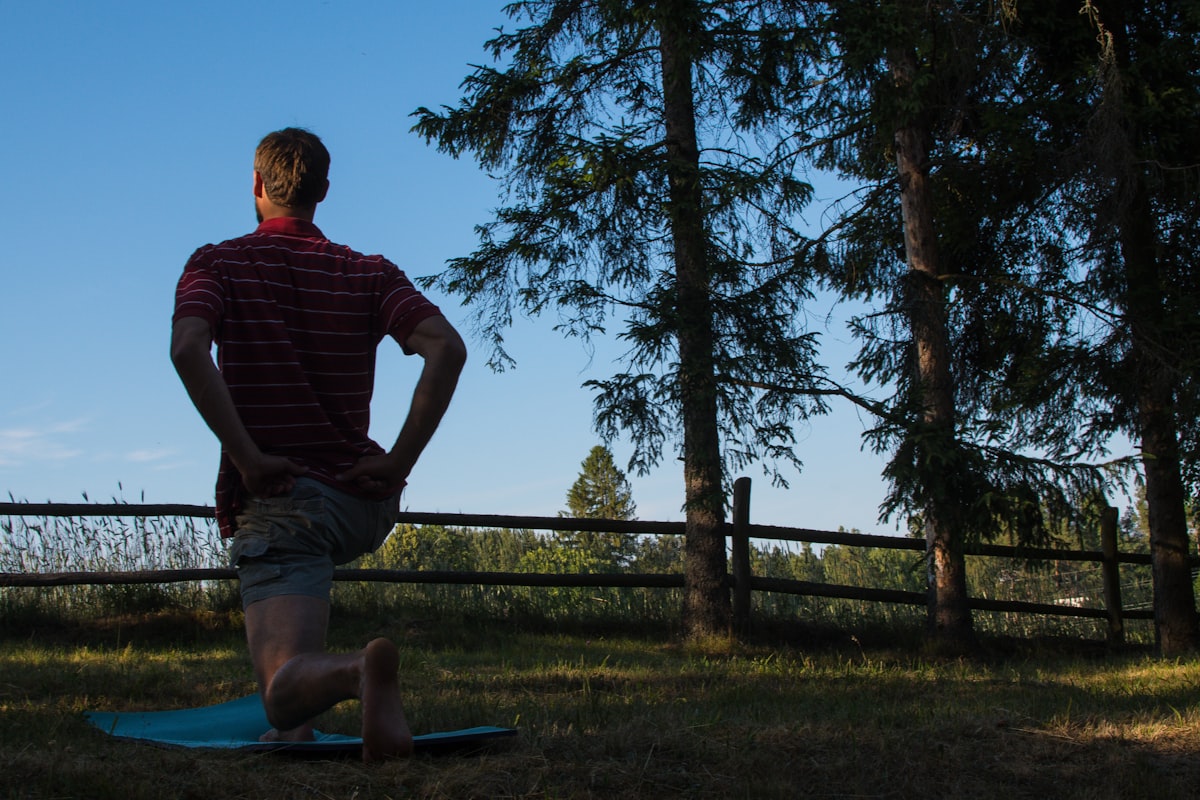
Why Functional Exercises Matter for Men Over 50
Functional training addresses the specific physical challenges men face as they age. Our comprehensive guide explores evidence-based benefits and practical applications.
Improved Daily Function
Functional exercises train movement patterns you use every day—bending, lifting, reaching, and walking. This directly translates to easier grocery shopping, gardening, and playing with grandchildren. You build practical strength that matters in real life.
Enhanced Balance & Stability
Falls are a leading cause of injury in men over 50. Functional training emphasizes core stability, proprioception, and multi-plane movements that reduce fall risk. Better balance means greater confidence and independence in your daily activities.
Bone & Joint Health
Weight-bearing functional exercises help maintain bone density and strengthen the structures around joints. This supports long-term skeletal health and reduces the risk of osteoporosis and arthritis-related limitations.
Cognitive & Mental Clarity
Physical training that requires coordination and focus—like functional exercise sequences—stimulates cognitive function. Regular exercise has been linked to improved memory, focus, and mental well-being, helping you stay sharp mentally.
Increased Energy & Vitality
Functional training strengthens your cardiovascular system and builds lean muscle, which boosts metabolism and energy levels. Many men report feeling more energized throughout the day and sleeping better at night.
Injury Prevention & Resilience
Strong, flexible muscles and stable joints are your body's best defence against injury. Functional training builds comprehensive strength and mobility, reducing strain on vulnerable areas and helping you stay active longer.
The 5-Step Functional Training Framework
Our editorial content breaks functional training into a clear, progressive framework that you can understand and apply at any fitness level.
Assess Your Foundation
Understand your current movement quality, strength levels, and any limitations. This assessment guides your entire training approach and ensures exercises are appropriate for your body.
Master Core Stability
A strong core is the foundation of all functional movement. Learn exercises that activate your deep abdominal muscles, stabilise your spine, and improve posture—essential before progressing to complex movements.
Develop Movement Patterns
Progress through fundamental patterns: squats, lunges, hinges, pushes, and pulls. These form the basis of nearly every functional exercise and activity you'll perform.
Build Integrated Strength
Progress to complex, multi-joint movements that engage multiple muscle groups simultaneously. This trains your body as an integrated system, just like real-world activities require.
Maintain & Optimise
Establish a sustainable routine that maintains your gains and adapts as your fitness evolves. Consistency and smart progression are key to long-term success and independence.
Essential Exercise Categories for Men Over 50
Our comprehensive articles cover the main categories of functional exercises, each addressing specific movement needs and fitness goals.
Lower Body Strength
Squats, lunges, step-ups, and deadlifts build leg strength and endurance. Strong legs are crucial for walking, stair climbing, and maintaining balance. Our guides cover progressions from bodyweight to weighted variations.
Read exercise detailsUpper Body & Core
Pushups, rows, overhead presses, and planks strengthen your chest, back, shoulders, and core. A strong upper body improves posture, protects your spine, and makes everyday lifting easier and safer.
Read exercise detailsBalance & Mobility
Single-leg exercises, yoga-inspired movements, and dynamic stretching improve proprioception, flexibility, and range of motion. Better balance means fewer falls and greater confidence in all activities.
Read exercise detailsCardiovascular Endurance
Walking, cycling, swimming, and functional circuit training build heart health and stamina. Good cardiovascular fitness supports energy levels, reduces disease risk, and enables sustained activity.
Read exercise detailsFlexibility & Recovery
Static stretching, foam rolling, and restorative practices prevent muscle tightness and support recovery. Flexibility reduces injury risk and enhances comfort in daily movement. Our guides emphasize sustainable recovery practices.
Read exercise detailsIntegrated Functional Circuits
Combine multiple exercises into flowing sequences that build strength and conditioning together. Our circuits are designed to mimic real-world movement demands and challenge your body as an integrated system.
Explore workout plansFunctional Training vs. Traditional Gym Training
Understanding how functional exercises differ from isolated gym movements helps you choose the most effective approach for your goals.
Traditional Gym Training
- Isolates specific muscle groups with targeted exercises
- Builds individual muscle size and strength effectively
- May not translate directly to real-world movement
- Requires access to equipment and machines
- Can increase injury risk if form is poor
Functional Training
- Trains multiple muscle groups simultaneously
- Improves real-world movement patterns and capabilities
- Directly applicable to daily activities and independence
- Requires minimal or no equipment (bodyweight, bands, light weights)
- Emphasizes movement quality, balance, and injury prevention
The Best Approach: Many fitness experts recommend combining functional training with moderate traditional resistance work. Functional exercises address real-world needs and safety, while some targeted strength work can enhance specific areas. Our articles explore how to balance both approaches effectively.
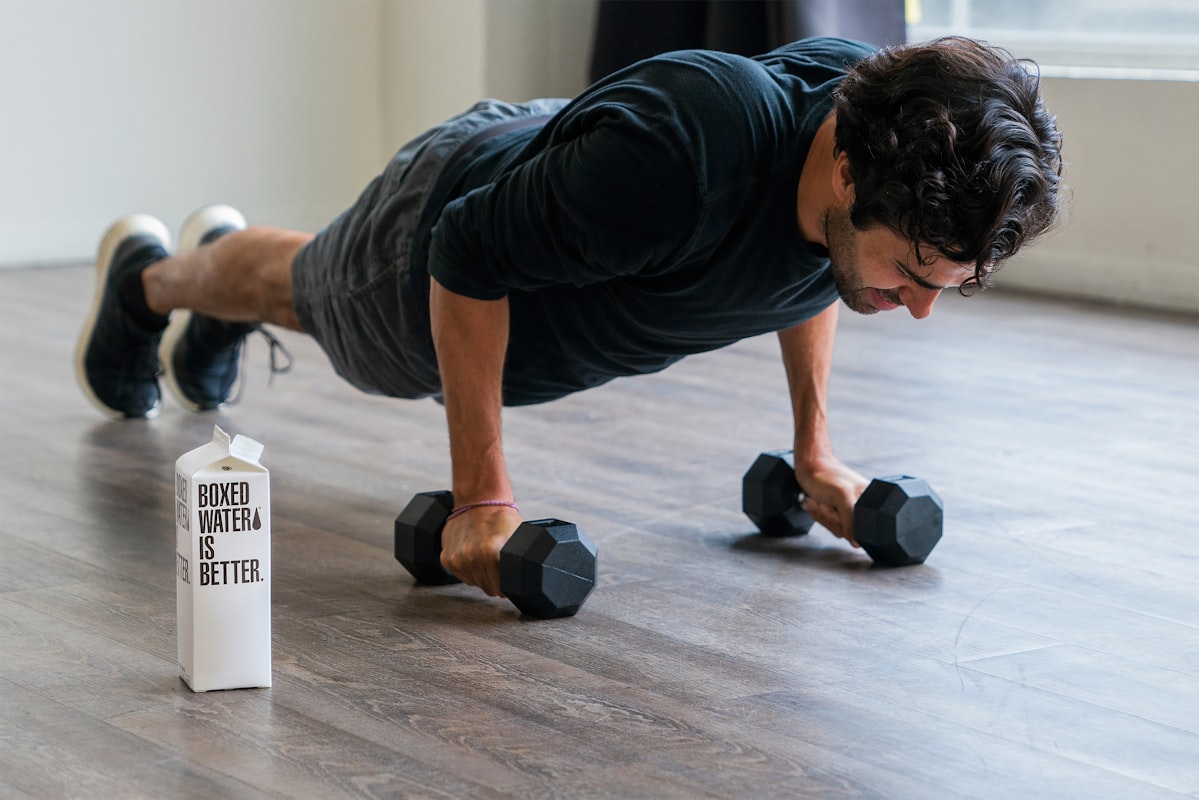
Why Choose Wellnessenergyafter50
We're an editorial platform dedicated to evidence-based functional fitness information for men over 50. Our team of fitness writers and researchers provides comprehensive, practical guidance based on current fitness science and real-world applications.
- Evidence-Based Content: All our articles are grounded in current fitness research and practical experience.
- Age-Specific Focus: Our content addresses the unique needs, challenges, and opportunities for men in their 50s and beyond.
- Practical Guidance: We focus on actionable advice you can implement at home, in the gym, or anywhere.
- Safety First: Our guidelines emphasise proper form, progression, and injury prevention.
- Community Perspective: We share experiences and insights from men who are actively improving their fitness and health.
Common Questions About Functional Training
Answers to questions we hear frequently from readers exploring functional fitness for the first time.
Absolutely. Functional training can be adapted to any fitness level. Our articles emphasise foundational movements that beginners can master safely. Start with basic bodyweight exercises like supported squats and wall pushes, then progress as your strength and confidence grow. The key is to focus on movement quality over intensity, especially when starting out. Many men in their 50s and beyond successfully begin functional training regardless of their previous experience.